
Achieve Professional Sound with Studio Recording

Creating a professional sound in your music or audio project requires more than just talent and passion. It demands the right environment, equipment, and expertise. Whether you're a solo artist, a band, or a podcaster, understanding how to achieve a polished, studio-quality sound can elevate your work to new heights. This guide will walk you through essential steps and tips to help you get the best results from your recording sessions.
Understanding the Importance of Professional Recording Solutions
Professional recording solutions are designed to capture sound with clarity, depth, and precision. Unlike home setups, professional studios offer acoustically treated rooms, high-end microphones, and expert engineers who know how to bring out the best in your performance.
Why Choose Professional Recording Solutions?
Acoustic Treatment: Studios are built to minimize unwanted noise and echoes, ensuring clean recordings.
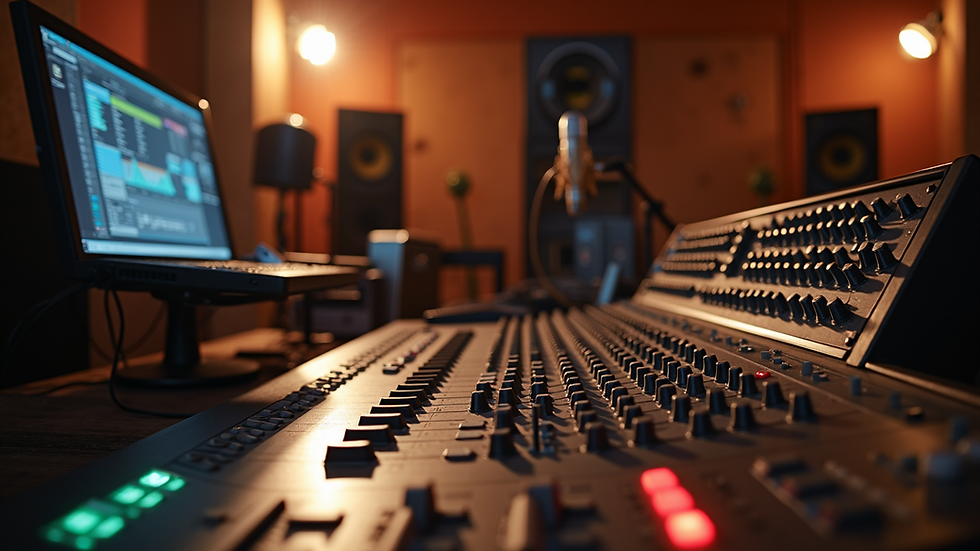
High-Quality Equipment: From microphones to mixing consoles, professional gear captures sound more accurately.
Expertise: Sound engineers understand how to balance levels, apply effects, and edit tracks for a polished final product.
Investing in professional recording solutions can make a significant difference in the quality of your audio. It allows you to focus on your performance while the technical aspects are handled by experts.
Essential Tips for Achieving a Professional Sound
Achieving a professional sound is a combination of preparation, technique, and the right environment. Here are some practical tips to help you get started:
1. Prepare Your Material
Before stepping into the studio, rehearse your songs or scripts thoroughly. Knowing your material well reduces recording time and helps you deliver confident performances.
2. Choose the Right Microphone
Different microphones suit different voices and instruments. For example:
Condenser microphones are great for vocals and acoustic instruments.
Dynamic microphones work well for loud sources like drums or electric guitars.
Discuss your needs with the studio engineer to select the best microphone for your project.
3. Use Proper Mic Placement
Mic placement affects the tone and clarity of your recording. Experiment with distance and angle to find the sweet spot. For vocals, placing the mic about 6-12 inches away with a pop filter can reduce plosives and capture a natural sound.
4. Control Your Environment
Even in a professional studio, minimizing background noise is crucial. Turn off unnecessary equipment, close doors, and avoid moving around during takes.
5. Record Multiple Takes
Recording several takes allows you to choose the best performance or even combine parts from different takes for a flawless final track.
6. Communicate with Your Engineer
A good relationship with your sound engineer can improve the recording process. Share your vision and ask for feedback to ensure the final product matches your expectations.

How Much Does It Cost to Hire a Recording Studio?
Understanding the cost of hiring a recording studio helps you plan your budget effectively. Prices vary depending on location, studio quality, and services offered.
Factors Influencing Studio Costs
Studio Size and Equipment: Larger studios with advanced gear tend to charge more.
Session Length: Studios often charge by the hour, half-day, or full-day rates.
Additional Services: Mixing, mastering, and production assistance may add to the cost.
Typical Price Ranges
Hourly Rates: $30 to $100+ per hour
Half-Day Sessions: $150 to $400
Full-Day Sessions: $300 to $800 or more
For example, booking studio recording services for 8 hours can provide a comprehensive session with access to professional equipment and expert support.
Tips to Save on Studio Costs
Prepare in advance to minimize studio time.
Book during off-peak hours when rates may be lower.
Combine recording and mixing sessions to negotiate better deals.
Post-Production: Mixing and Mastering for a Professional Finish
Recording is just the first step. Post-production processes like mixing and mastering are essential to achieve a professional sound.
Mixing
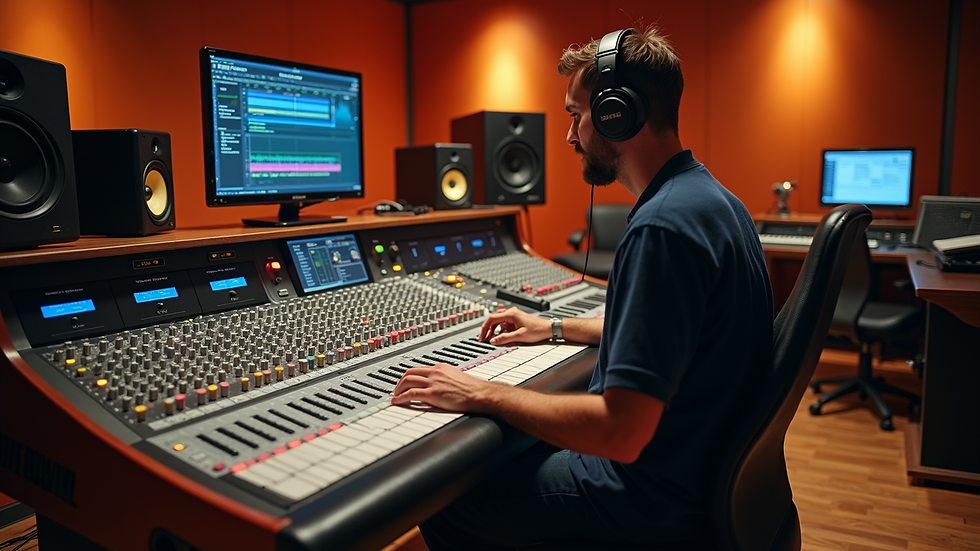
Mixing involves balancing individual tracks, adjusting volume levels, panning, and adding effects such as reverb or compression. A well-mixed track sounds cohesive and polished.
Mastering
Mastering is the final step that prepares your audio for distribution. It ensures consistent volume across all tracks, enhances clarity, and optimizes playback on various devices.
DIY vs. Professional Services
While some artists mix and master their own work, hiring professionals can significantly improve the quality. Many studios offer these services as part of their package.
Tips for Choosing the Right Studio Recording Services
Selecting the right studio is crucial for your project's success. Here are some factors to consider:
Reputation and Reviews: Look for studios with positive feedback and a portfolio that matches your style.
Equipment and Facilities: Ensure the studio has the gear and space you need.
Engineer Expertise: Experienced engineers can guide you through the process and enhance your sound.
Location and Accessibility: Choose a studio that is convenient to reach.
Budget: Find a studio that fits your financial plan without compromising quality.
Booking studio recording services with a trusted provider can streamline your recording experience and help you achieve the sound you desire.
Achieving a professional sound requires careful planning, the right environment, and expert support. By understanding the recording process, preparing thoroughly, and choosing the right studio, you can bring your audio projects to life with clarity and impact. Whether you are recording music, podcasts, or voiceovers, investing in quality studio recording solutions is a step toward success.


Comments